
Torbay Civic Society
John Calcott Horsleyand Orestone
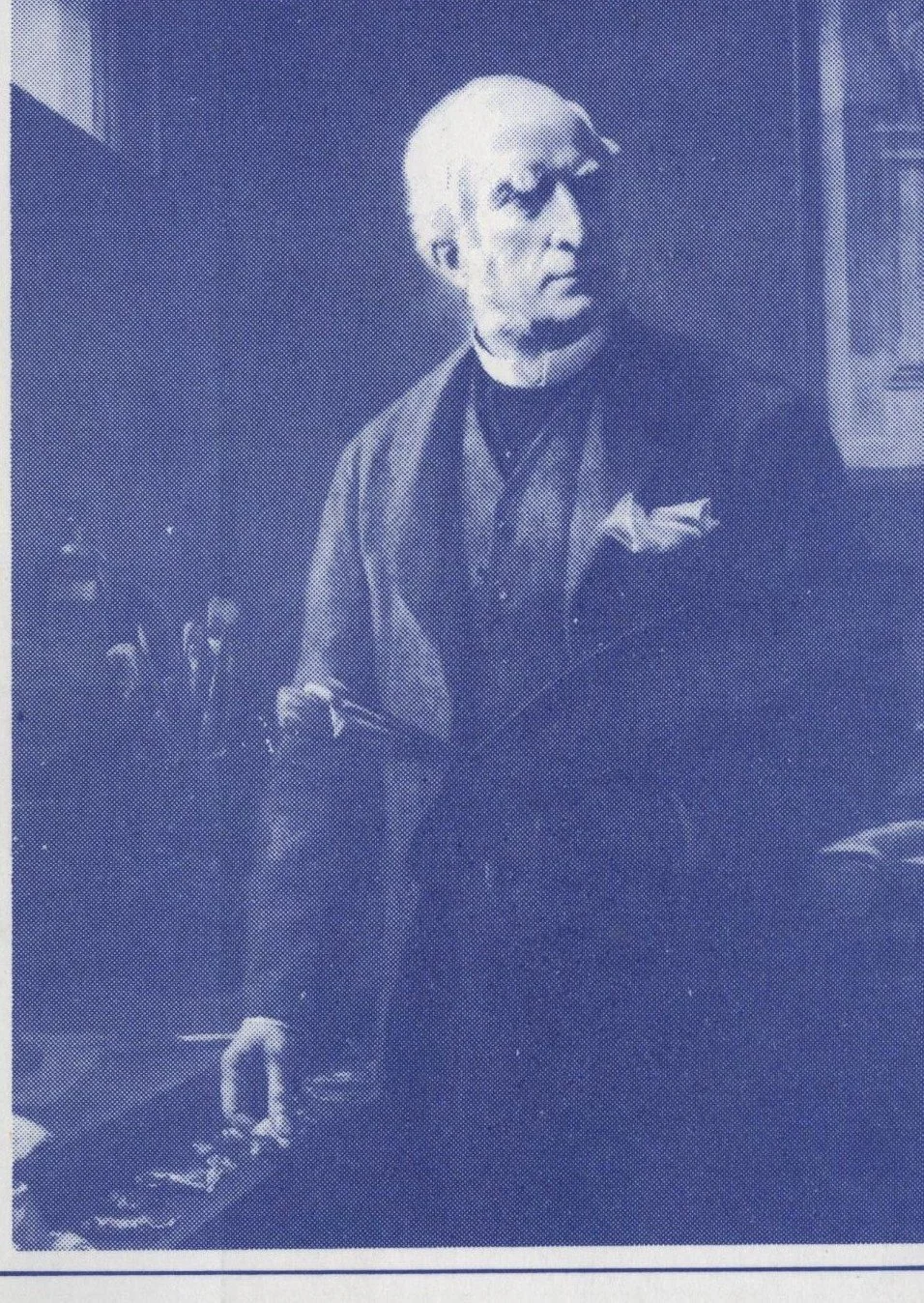
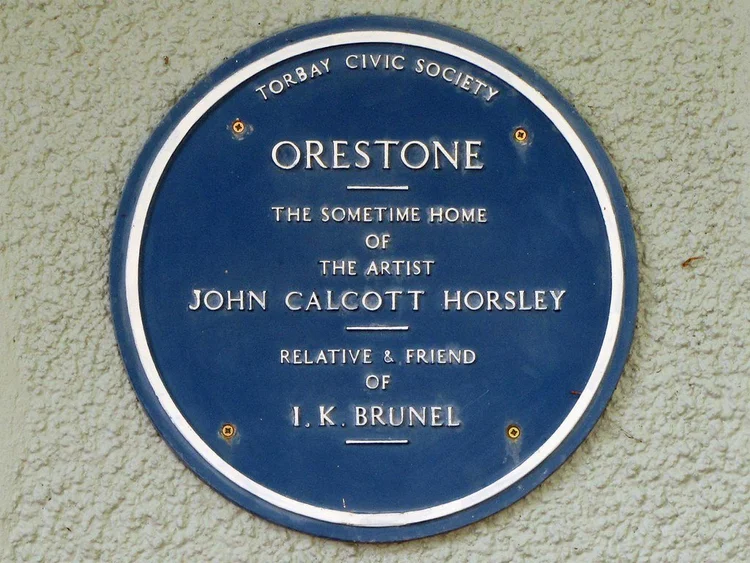
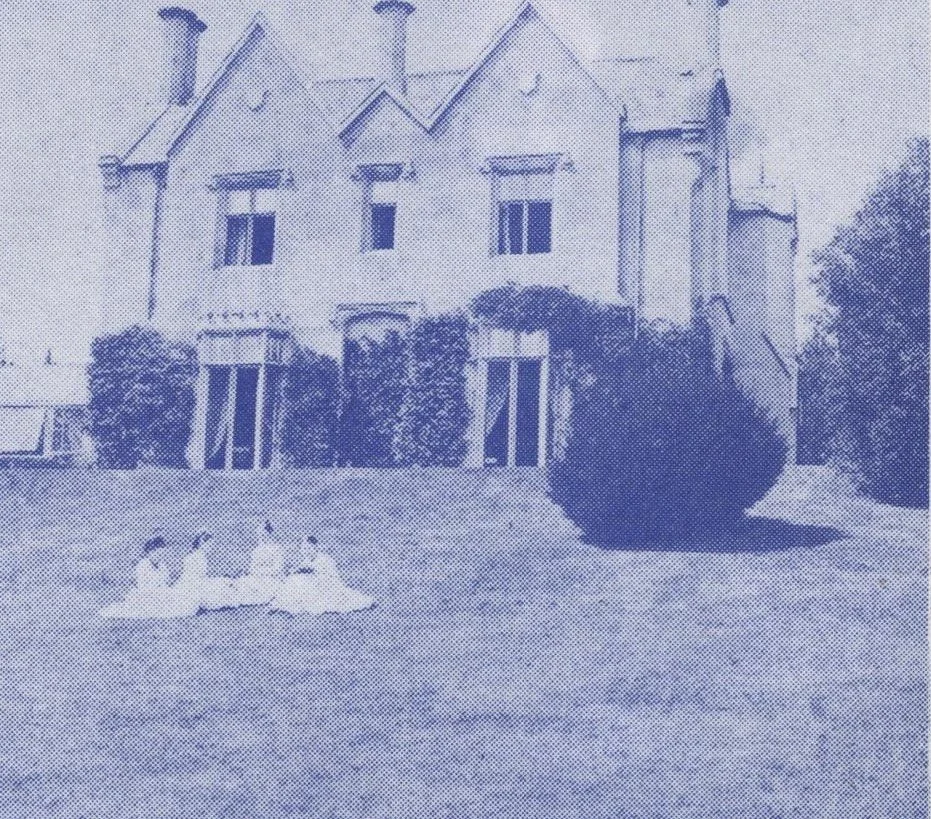
Orestone Manor Hotel deserves our attention for an unusual reason.
From midsummer 1857 until midsummer 1858, for just one year, it provided the setting for a series of social occasions which were important for Torquay and which throw a vivid light on Victorian England. The protagonists were I.K. Brunel and his brother-in-law John Horsley.
Brunel first came to Torquay in the course of his work as the chief engineer of the Great Western Railway. He then decided to bring his wife here for a holiday and before long they were planning to make it their permanent home.
He lived for a while at Watcombe Villa, and then moved to Portland Villa, which was the Maidencombe House Hotel, since demolished. From these homes he began laying out Watcombe to be the estate of his great house. He lived to see the park virtually completed but he died before the house had got beyond the foundations. The present Brunel Manor was built there much later.
The Brunels were joined by Mrs. Brunel’s brother, John Horsley, and his wife. Horsley was making his way as an artist and is remembered as the designer of the first Christmas card. Orestone was the house they rented and which was to be the scene of many comings and goings in this important year of 1857. Horsley had for some years been a close friend of Brunel, and was a man after his own heart. He was one of those energetic Victorians who thought nothing of travelling overnight by train and then walking twenty miles to sketch an old church or manor. He had been Brunel’s companion on a walking tour of Italy, and in 1848 the two of them suddenly set sail for Paris to witness a revolution at first hand.
But if they both drove themselves hard in the pursuit of their careers, their temperaments were very different, and Brunel, with his occasional bouts of melancholy, was no doubt attracted and stimulated by Horsley’s exuberant approach to life.
Yet beneath Horsley’s exuberance lay a deep solemnity and sense of duty. While still a young man he had suffered the tragedy of losing his wife and their two children from scarlet fever. Expecting to die himself, he wrote an emotional appeal to Brunel ‘to be given after my death’. In it he implored Brunel to reflect upon his life, “which has been one of almost unparalleled devotion to your profession, to the exclusion, to far too great an extent, to that which was due to your God and even to your family and with an utter disregard of your health....” But in the event Horsley did not meet the death he expected so soon. He married again, had five children and outlived Brunel by some 44 years. Though never a great artist he played an important part in the artistic world of Victorian England. Perhaps if Brunel had seen the letter he might not have died so soon after it was written.
But we are anticipating. In the year with which we are concerned both men were at a critical point in their lives.
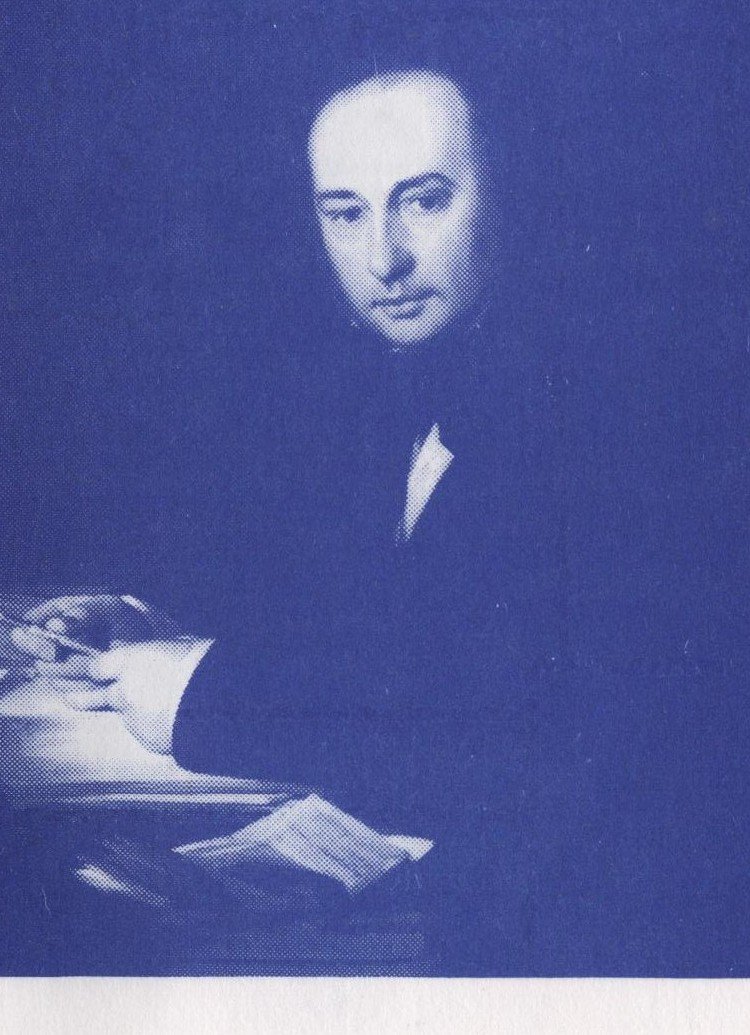
The most significant event during the year was that John Horsley painted a portrait of Brunel, now in the National Portrait Gallery. It gives an impression of the great man very different from the image with which we are so familiar. The familiar image is of Brunel standing before the launching chains of the ‘Great Eastern’. There is mud on his boots and trousers, as befits a man of action in an industrial age, a man who gets great things done and is not overly concerned with appearances. In complete contrast the Brunel of John Horsley’s portrait displays the smart clothes and relaxed posture of a country gentleman, sitting thoughtfully at a desk in his library.
Through the year when the two couples enjoyed each other’s company both Brunel and Horsley were making far-reaching plans for their future homes. But there were difficulties in the way for both of them, and both had to exercise patience.
Horsley’s second wife, Rosamund Haden, had inherited a large fortune and they were planning to build a fine home at Cranbrook in Kent. But the money was held in trust and not until it was released could they start building.
Brunel’s plans for his house and estate were far advanced, but he was having to await the successful launch of his giant vessel the ‘Great Eastern’. The portrait is something of an anticipation of the shape of things to come. Here is the cultivated squire who was hoping one day to be firmly settled in his country seat.
Then for Brunel came a serious breakdown in health and the diagnosis of a fatal kidney disease. He continued to occupy himself with the rockeries and water-gardens and wells for Watcombe Park, spending what he termed the “happiest hours of his life” walking about the gardens with his wife and children and discussing the condition and prospects of his favourite trees.
But the year that brought such tragic news for Brunel saw a turning point in the career of his friend. He achieved what was the ambition of every Victorian artist. He was appointed to paint a member of the Royal Family. It came about by a curious combination of circumstance.
A close friend of the family, Miss Skerrett, occupied the position of Head Dresser to Queen Victoria. It was a post of far greater influence than the title suggests. Miss Skerrett was a woman of some consequence. Sir Edwin Landseer described her as “the dearest and most wonderful little woman I ever knew.”
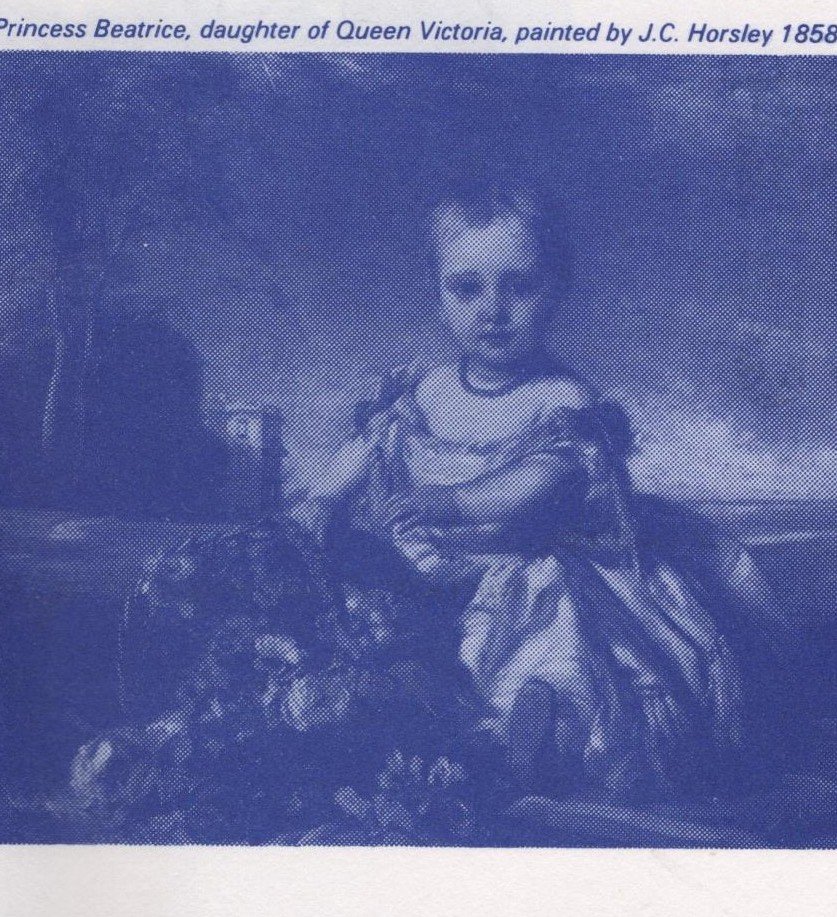
If anything went wrong, no matter whether it concerned a crowned head or a scullery maid, Miss Skerrett was sent to put it right. And by the same token, whenever anything of importance happened in the Palace, Miss Skerrett would not for long be far away. So that when Her Majesty gave birth to Princess Beatrice Miss Skerrett was quickly on the scene to add her rejoicings. And on this occasion Miss Skerrett had a very special additional reason for rejoicing.
For on the very same day that the Queen had been delivered of Princess Beatrice, the wife of her very dear friend, had given birth to a baby boy. The friend was none other than John Horsley. The Queen was delighted by the happy coincidence and, since Prince Albert also happened to be present, they fell to discussing the all important question of a name for the little boy.
Was there a masculine equivalent of Beatrice, they wondered. But the Queen then had an idea even more gracious. She intimated her wish that the young Horsley should be named Victor Alexander — after Her Majesty herself.
And so of course he was.
The link with the baby Princess was not forgotten. When a year later an anniversary portrait was required as a gift for the proud father, what more natural choice of artist then the father of young Victor Alexander.
So throughout the leafy month of June 1858 John Horsley was to be seen dodging in and out of Buckingham Palace, taking care that Prince Albert should not spot him and discover the secret of what his birthday present was to be.
Several years later Horsley settled into his house at Cranbrook and became a fashionable painter, specialising in idyllic scenes of country life — “all sunshine and pretty women”.
In 1885 he gave public support to a lady who had written to The Times complaining about the corrupt practice, imported from the Paris Salons, of drawing from the nude. But this was too much even for the Victorians and he achieved nothing beyond earning the nickname of Clothes Horsley.
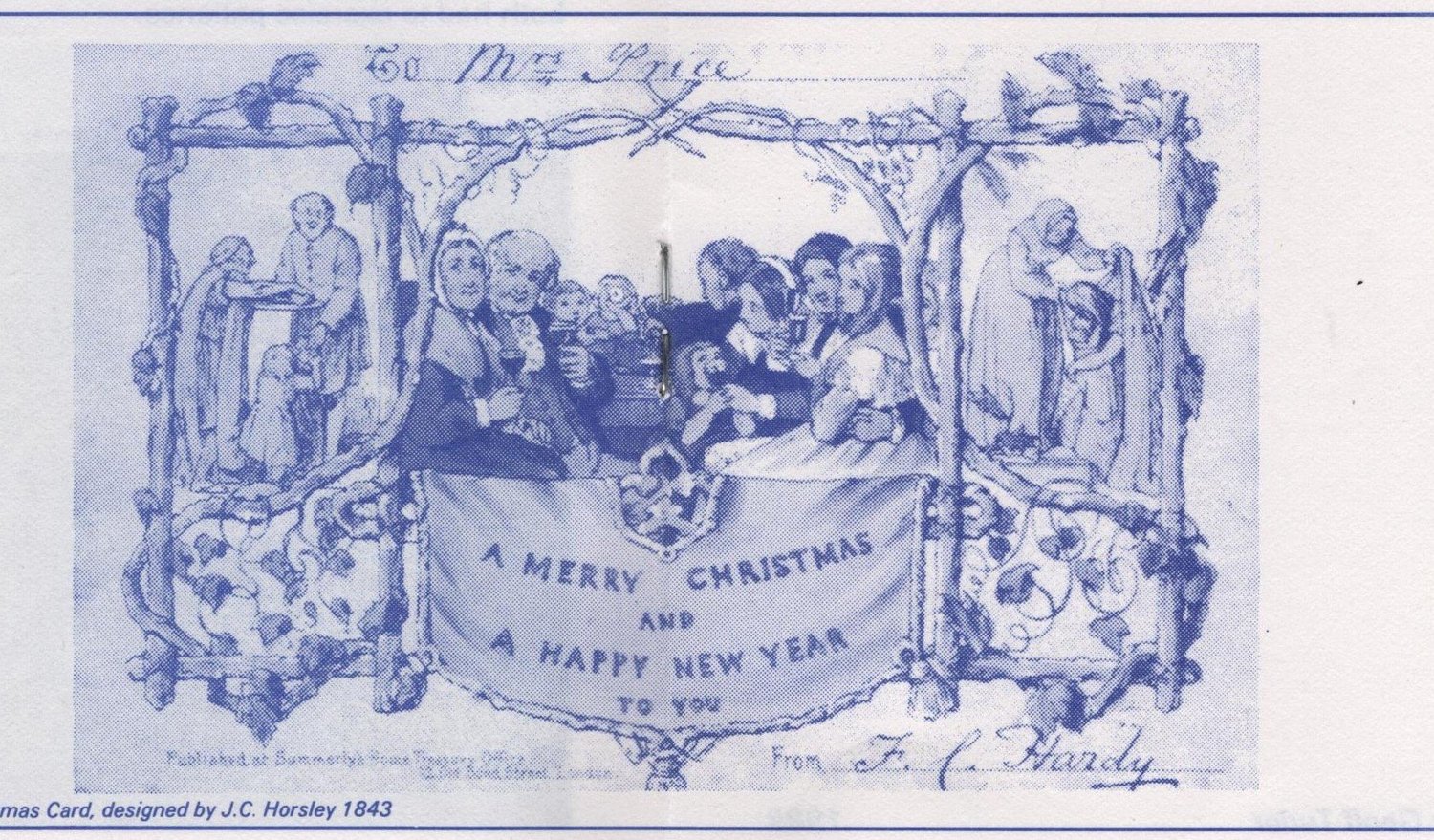
Horsley will be remembered chiefly for his family tie with the Brunels and Orestone Lodge will be remembered for the one year of planning and portrait painting that took place within its walls, for the one year of triumphs and disasters. It would have been the setting for many family gatherings, candlelit dinners, music in the parlour, children’s games and perhaps croquet on the lawn. And long, long discussions about a future that, for Brunel, was to be so tragically short.
Research: Geoff Tudor
About this series
This leaflet, and the plaque, is one of a series commemorating notable people, buildings and events in the history of Torbay, prepared by the Torbay Civic Society.