
Torbay Civic Society
Baroness Burdett Couttsand Rosetor, Torquay (now the English Riviera Centre)
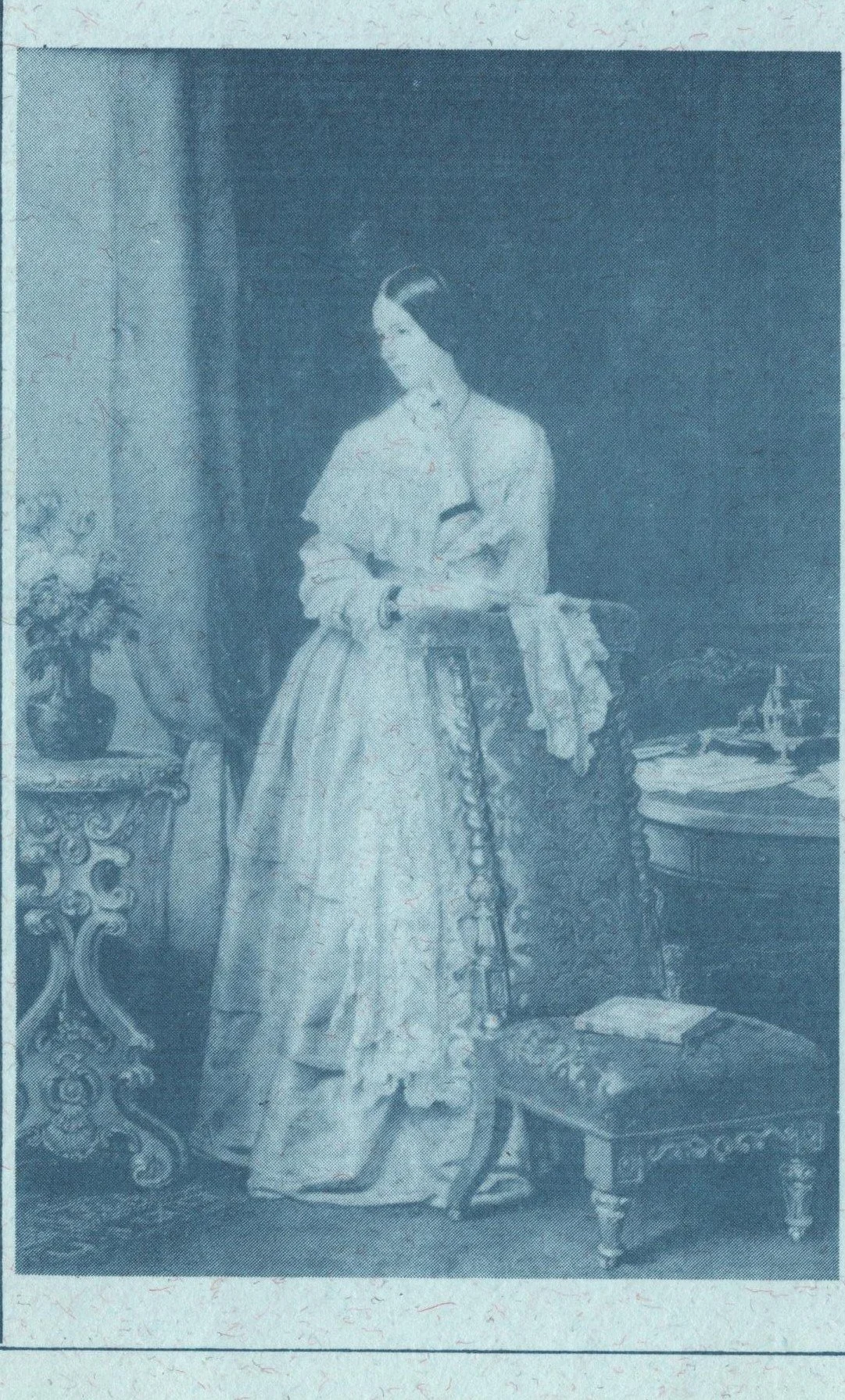
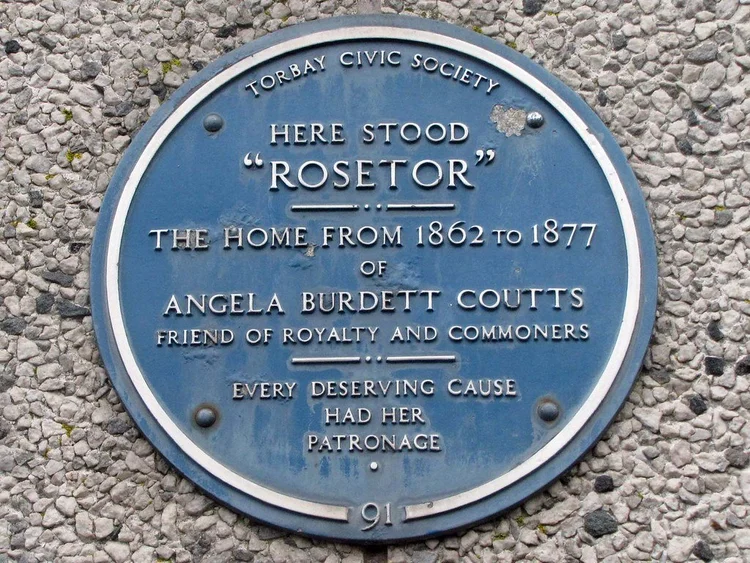
For fifteen years Rosetor was the home of one of the most remarkable women of Victorian times. When she died the house became an hotel, and was eventually given by its owner, Mr. C.G. Murrell, to the Borough of Torbay on condition they build a Conference Centre on the site.
Born in 1814, the daughter of Sir Francis and Lady Sophia Burdett, she added her mother’s maiden name to hers and became Angela Burdett Coutts. In this way she asserted her independence as a woman, and kept alive the memory of her mother’s father, the famous banker, Thomas Coutts.
Her mother died when she was a young child and her father married the actress Harriet Mellor. By the time she was eight she had lost her father as well. Harriet remarried, but died a few years later, and her second husband lived only a few more years. Angela Burdett Coutts, by the time she was thirty-five years of age, was altogether alone in the world — and in possession of the entire family fortune.
And what did she do with the money? The answer is simple. She gave it away. But she gave it away with understanding and imagination and a sense of purpose. She gave money to churches and schools at home and abroad. She financed the building of model dwellings for the poor, with baths and proper living rooms. She helped in the provision of public reading rooms and libraries. She concerned herself with the feeding and education of poor children. She was interested in science. She helped to establish schools to prepare orphan children for emigration. She set up a fund to provide shirts for sailors. Her benefactions were as varied as they were numerous.
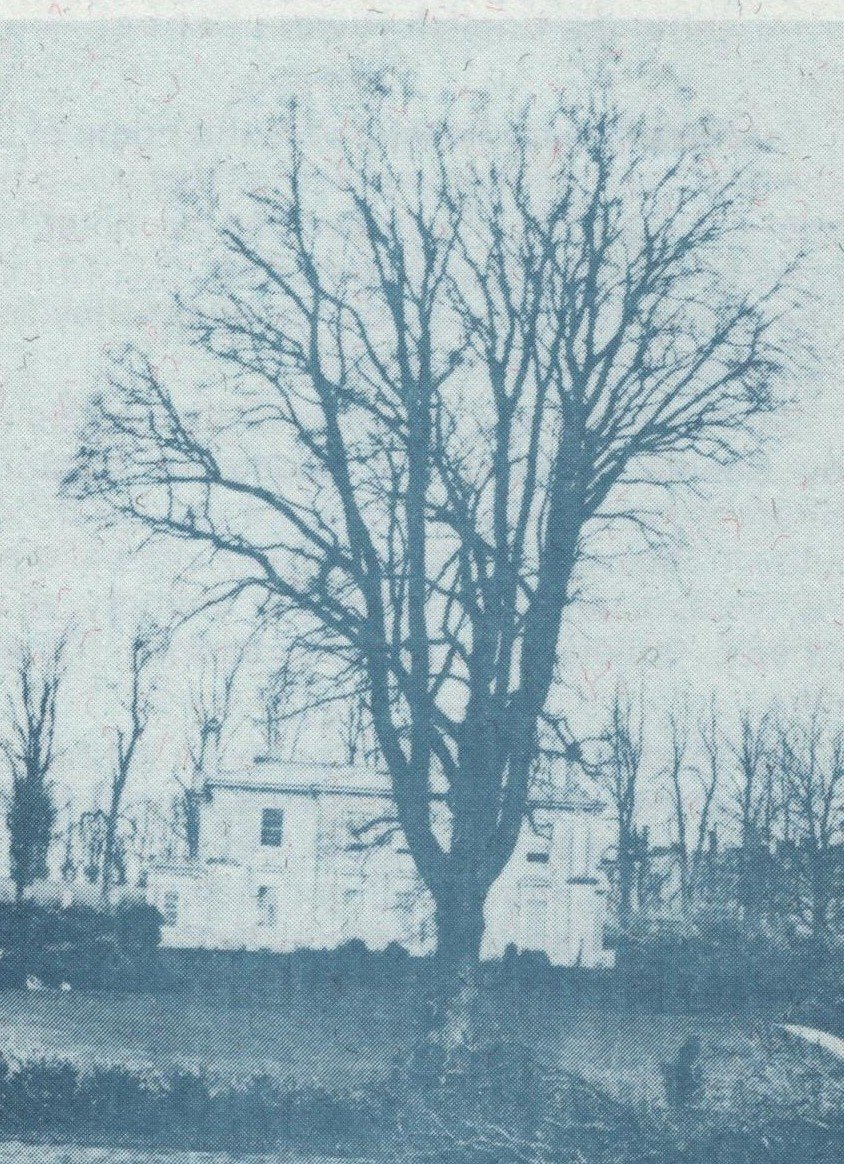
Her first visit to Torquay was in 1856, when her address was Meadfoot House, 1 Hesketh Crescent. Charles Darwin was staying at No. 2 with his family and working on The Origin of Species. After three winters at this address she moved for a short time to ‘Villa Syracruse’ on Daddyhole Plain (now the Overmead Hotel) and finally settled on Ehrenburg House, in Chestnut Avenue, as the building on this site was then known.
Angela Burdett Coutts was a woman of strong intellectual interests. She heard William Pengelly lecture at the Torquay Natural History Society and became his friend and collaborator and student.
Among the guests she entertained at Ehrenburg House were such local notables as Bishop Phillpotts of Exeter, Lady Brownlow, Lord Churston, the Vivians, the March Phillips as well as the more humbly born Pengellys, and such distinguished visitors as Sophia the Queen of Holland, the Rajah Brooke from Sarawak, Sir Charles Lyell the geologist, and Sir John Lubbock.
Many of her benefactions in the Torbay district reflected her pioneering interest in education, an interest which she shared with William Pengelly. Her pamphlet The Ambulatory Schoolmaster is an account of a project she financed in rural education. A qualified teacher was employed on a peripatetic basis to assist and train the teachers at the Dame Schools in the neighbouring villages, which included Barton, Shiphay and Cockington. The Brixham British Seamen’s Boys’ Home was enlarged entirely at her expense. This was a cause to which she was perhaps especially attached through her own experiences as an orphan.
In 1871 Queen Victoria made her a Baroness. She was the first woman to be honoured with the title in her own right.
After becoming a Baroness she was the guest of honour at the annual prizegiving at a school in Apsley House, a building rather hidden away under what is now the Lincombe Hall Hotel. The Head Boy, William Ashmead Bartlett, an American, who gave the speech of thanks in Latin, made a great impression on her. So much so that she paid for him to go to Christ Church, Oxford. But this was a benefaction that had a personal side to it. The student at Christ Church later became her husband. It caused no little consternation among her friends — a woman of 67 and a Baroness at that, marrying for the first time a man almost 40 years her junior. But the marriage appears to have been a happy one, and was only terminated by her death in 1906 at the age of 92. She was buried in Westminster Abbey.
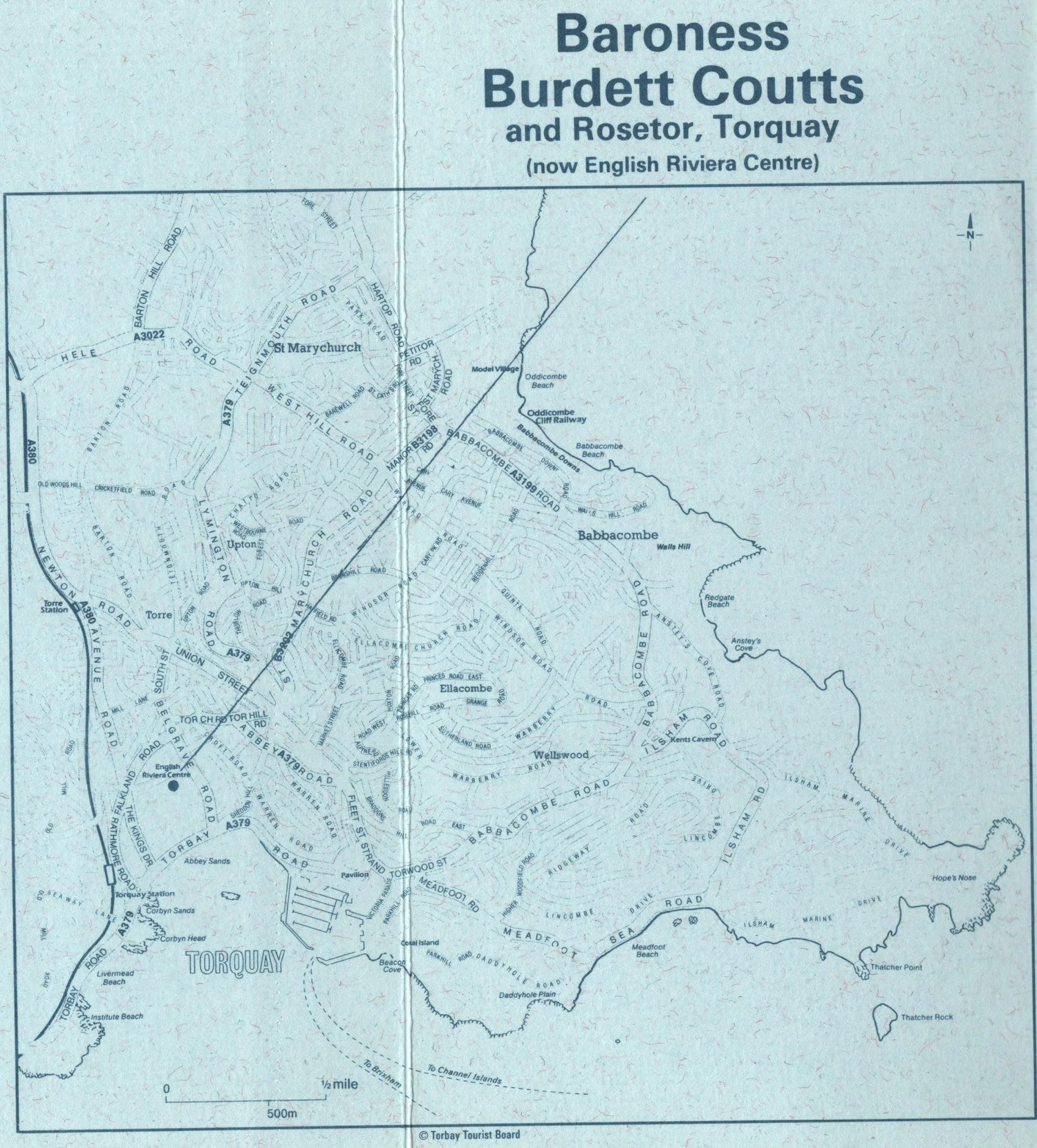
She had of course left Ehrenburg House many years before, in 1877. It then became known as Erin Hall, and was eventually incorporated in the Rosetor Hotel. Eventually the hotel closed and the site was given to the Torbay Borough Council in 1975 on the condition that it be used for a Conference Centre. The English Riviera Centre was completed in 1987.
Research: John Pike
About this series
This leaflet, and the plaque, is one of a series commemorating notable people, buildings and events in the history of Torbay, prepared by the Torbay Civic Society. The plaque is affixed to the north-facing corner wall of the English Riviera Centre, adjacent to the main entrance.